Introduction
Most visitors land in Dubai and head straight for the Red Line. It’s the line every map and every guidebook leads with. The Green Line is the quieter sibling, and that’s exactly why it matters: Gold Souq, Al Fahidi, and Dubai Creek are all on it, not the Red Line. A tourist at Union tapped out mid-transfer and paid a second two-zone fare. I stopped defaulting to the Red Line right there.
The pain points are real. Miss the last train and you’re paying for a taxi. Tap out in the wrong zone and you’ve overpaid before you even reach the souq. Misread Union’s platform signs and you’re standing on the wrong side of the tracks while your train pulls away.
Key Takeaways
- The Green Line is the only metro line serving old Dubai: Gold Souq, Al Fahidi, and Dubai Creek are all on it, not the Red Line
- Fares depend on zones crossed (5 and 6), not stations passed. A full Etisalat-to-Creek ride is a two-zone fare
- Transfers at Union and BurJuman are free if you stay in the paid area. Never tap out mid-transfer
- Sunday starts at 8:00 AM and Friday runs until 1:00 AM. The two timings that catch people out
- The Blue Line opens at Creek in 2029, turning the terminus into a major interchange
This guide gives you the station-by-station, exit-by-exit detail that official maps and Wikipedia skip: exact timings, zone fares, and transfer directions, written by someone who has ridden this line dozens of times.
Bookmark this page before your next trip to old Dubai. You’ll want it open when you’re standing at Union, trying to figure out which platform is yours.
Before the station-by-station detail, here is the line at a glance: what it is, where it goes, and why it matters.
Green Line Overview and Route Summary
The introduction promised a complete guide; this section delivers the line at a glance before the detail.
What the Green Line Is
The Green Line runs 22.5 km from e& (Etisalat) in the north to Creek in the south, with 20 stations. It opened in September 2011. The route cuts north-to-south through Deira before crossing into Bur Dubai, a long vertical spine that hugs the older, denser parts of the city, unlike the Red Line’s sweep along the coast.
The line spans fare zones 5 and 6, so a single ride can cross one or two zones depending on your start and end points. End-to-end, the ride takes roughly 40 to 45 minutes, depending on dwell times at Union and BurJuman, the two interchanges with the Red Line.
Why the Green Line Matters for Tourists and Commuters
For tourists, the Green Line is the budget sightseeing route through old Dubai. One affordable ride links the Gold Souq, Al Ras heritage district, Al Fahidi, and Dubai Creek, the stops the Red Line cannot reach.
For commuters from the Sharjah border, it is the daily entry point: Al Nahda and Stadium stations serve the dense residential blocks, and the park-and-ride at Etisalat offers around 2,300 free spaces for metro passengers.
The line also connects healthcare, markets, and government offices along its corridor.
The free park-and-ride at Etisalat sounds like a commuter’s dream until you try to use it on a Tuesday morning. We pulled in at 7:15, circled the 2,300-space lot twice, gave up, parked on a side street in Al Qusais, and walked ten minutes to the station. Officially, parking is free for metro passengers. In practice, free means first-come, first-served, and by 7:30 the gates are closed. That is the unglamorous truth of the Green Line’s northern anchor. It works brilliantly if you are early, and punishes you if you are not.
With the route shape clear, here is the full station list in order, with each station’s area and fare zone.
Full Green Line Station List in Order
This section pins down every station so you know exactly where you are and what zone you are in. The Green Line runs north-to-south from Etisalat by e& through Deira, crosses the Creek, and ends at Creek station in Bur Dubai. All 20 stations sit in fare zones 5 and 6, which matters when the fare is calculated.
All 20 Stations from Etisalat to Creek
Wondering which station you are actually standing in when the platform sign says one thing and your map says another? I have made that mistake at Abu Hail, which older maps still label Abu Baker Al Siddiq. The station was renamed, and the signage now matches the current RTA list, but plenty of third-party maps have not caught up. That is why this table uses the current names only, with the old names noted where they still cause confusion.
| Station | Area or District | Fare Zone |
|---|---|---|
| Etisalat by e& | Al Qusais | 5 |
| Al Qusais | Al Qusais | 5 |
| Airport Free Zone | Al Qusais | 5 |
| Al Nahda | Al Qusais | 5 |
| Stadium | Al Qusais | 5 |
| Al Qiyadah | Al Qusais | 5 |
| Abu Hail | Hor Al Anz | 5 |
| Union (Interchange) | Deira | 5 |
| Baniyas Square | Deira | 5 |
| Salah Al Din | Deira | 5 |
| Gold Souq | Deira | 5 |
| Al Ras | Deira | 5 |
| Al Ghubaiba | Bur Dubai | 6 |
| BurJuman (Interchange) | Bur Dubai | 6 |
| Sharaf DG | Bur Dubai | 6 |
| ADCB | Bur Dubai | 6 |
| Oud Metha | Bur Dubai | 6 |
| Dubai Healthcare City | Bur Dubai | 6 |
| Al Jadaf | Al Jadaf | 6 |
| Creek | Al Jadaf | 6 |
Sharaf DG sits between BurJuman and ADCB in Bur Dubai, zone 6. It was renamed from Al Fahidi in November 2020, and some older maps still show the old name. The full 20-station list, in order, is: Etisalat by e&, Al Qusais, Airport Free Zone, Al Nahda, Stadium, Al Qiyadah, Abu Hail, Union, Baniyas Square, Salah Al Din, Gold Souq, Al Ras, Al Ghubaiba, BurJuman, Sharaf DG, ADCB, Oud Metha, Dubai Healthcare City, Al Jadaf, Creek.
How to Read the Station List
- The list runs north-to-south, matching the direction of travel from Etisalat by e& to Creek. If you are heading the other way, read it bottom-to-top.
- Fares depend on zones crossed, not stations passed. A ride from Al Qusais to Union stays entirely within zone 5 and costs the minimum fare. A ride from Al Ras to Al Ghubaiba crosses from zone 5 into zone 6, so it costs more even though it is only one stop.
- A short hop across a zone boundary can cost more than a longer ride within one zone. Al Ras to Al Ghubaiba is one stop and crosses a boundary. Al Qusais to Union is six stops and stays in zone 5. The six-stop ride is cheaper.
- The zone boundary sits between Al Ras and Al Ghubaiba, where the line crosses Dubai Creek. Everything north of the Creek is zone 5; everything south is zone 6.
Expert Tip: Buy and top up your Nol card before boarding, and check the zone fare. Green Line stations span zones 5 and 6, and fares depend on zones crossed, not stations passed. A topped-up card means you tap in and tap out without holding up the gate line.
Two of those stations, Union and BurJuman, are where you change to the Red Line. Here is exactly how that transfer works.
Interchange Stations and How to Transfer
The station list flagged Union and BurJuman as the two Red Line interchanges. This section makes the transfer foolproof. The difference between a quick change and a long detour comes down to which platform you walk toward and which station you pick.
Union Station, Red Line Interchange (Deira)
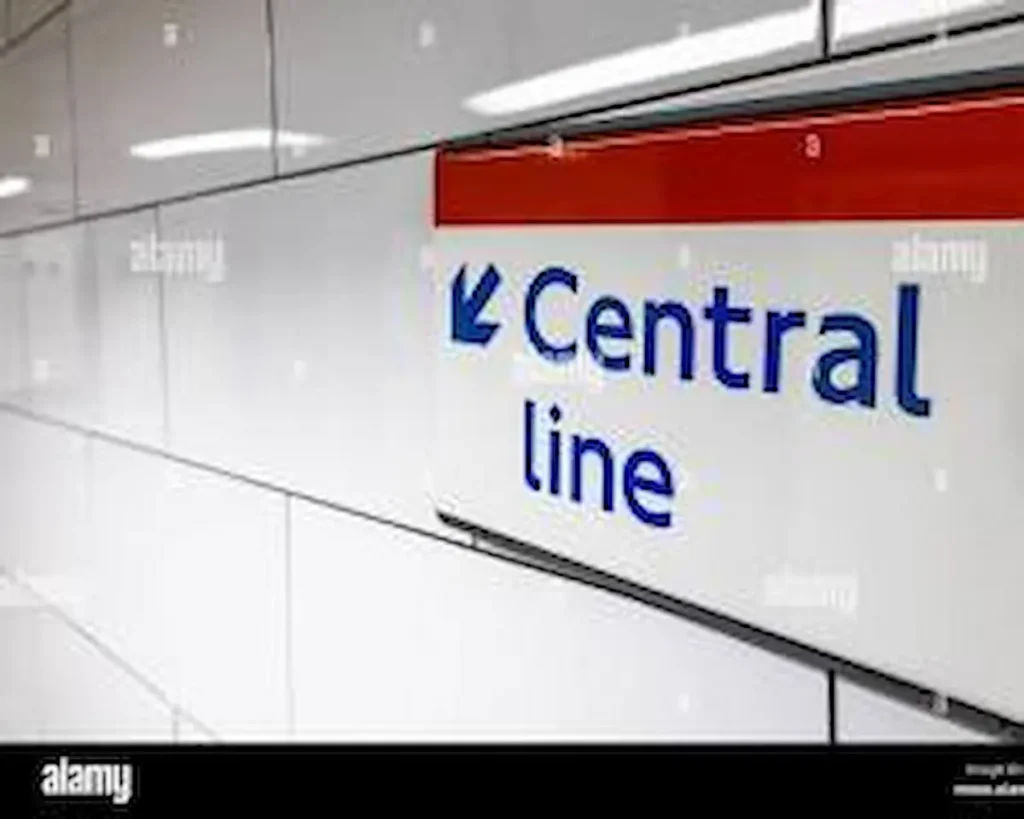
Union sits in Deira, and it is the busier of the two interchanges. The transfer itself is simple once you know the sequence. Step off the Green Line train, follow the overhead Red Line signs, and stay inside the paid area. Do not tap out. The walk from the Green Line platform to the Red Line platform takes three to five minutes depending on the crowd and which end of the train you exit.
Before you board, check the platform sign for the destination. The Red Line runs in two directions from Union, and the wrong one sends you toward the airport when you wanted Deira City Centre, or vice versa. Platform signs list the terminus, not the intermediate stops, so know your end station before you step on.
Expert Tip: Stay inside the paid area at Union or BurJuman and check the platform signs before boarding. A wrong-direction Red Line train is the most common transfer slip.
BurJuman Station, Red Line Interchange (Bur Dubai)
BurJuman works the same way. Step off the Green Line, follow the Red Line signs, stay inside the paid area, and check the destination before boarding. The walk is comparable to Union, roughly three to five minutes, and the signage is just as clear once you look up.
The real question is which interchange to use, and the answer depends on where you are headed on the Red Line. Use Union for Deira City Centre, the airport, and anything on the northern Red Line. Use BurJuman for Business Bay, Dubai Mall/Burj Khalifa, and the southern Red Line. Picking the right station saves you a long ride in the wrong direction, because the Red Line is a single line and backtracking is not quick.
22.5 km is the full Green Line length, and the first time I rode it end to end I misjudged the transfer at Union, walked toward the wrong platform, and only caught myself because the destination sign said UAE Exchange when I needed the airport. That mistake is why I now check the terminus before I step onto any Red Line train, even when I am sure I know the direction.
Common Transfer Mistakes
First-timers make the same handful of errors at both interchanges. Here are the ones that cost time or money:
- Tapping out mid-transfer. The transfer between Green and Red lines happens inside the paid area. If you tap out at Union or BurJuman and then tap back in, you are charged a new fare. Stay behind the gates.
- Boarding the wrong Red Line direction. The platform signs show the terminus, not the stops along the way. If you do not know whether your destination is north or south of the interchange, you will guess wrong half the time.
- Confusing Union with BurJuman. Both are interchanges, both have Red and Green line platforms, and both look similar on a map. But they serve different parts of the Red Line, and getting off at the wrong one means a longer ride or a second transfer.
Expert Tip: Gold Class and the women-and-children cabin have separate rules and fines, so check the cabin markings before boarding.
Transfers only matter if you catch the train. The next section covers the operating hours and the two timings that catch people out: Friday’s later evening service and Sunday’s 8:00 AM start.
Operating Hours and Timings
You know how to transfer at Union and BurJuman. Now you need to know when the trains actually run.
Green Line Schedule by Day
The Green Line keeps generous hours, but two days break the weekday pattern in ways that trip up visitors. Friday gives you an extra hour at night. Sunday takes three hours away in the morning. Here is the full schedule:
| Day | First Train | Last Train |
|---|---|---|
| Monday | 5:00 AM | 12:00 AM (midnight) |
| Tuesday | 5:00 AM | 12:00 AM (midnight) |
| Wednesday | 5:00 AM | 12:00 AM (midnight) |
| Thursday | 5:00 AM | 12:00 AM (midnight) |
| Friday | 5:00 AM | 1:00 AM (next day) |
| Saturday | Check RTA / S’hail app | Check RTA / S’hail app |
| Sunday | 8:00 AM | 12:00 AM (midnight) |
Always check the S’hail app or RTA website for real-time updates before traveling, since maintenance and holidays can shift these times.
Timing Tips for Late-Night and Weekend Travel
Expert Tip: Check last-train times before a late trip: Friday runs until 1:00 AM, but Sunday starts at 8:00 AM.
- Arrive at the platform 5 to 10 minutes before the listed last train. The timetable is the departure from the originating terminus, not your station, so the last train reaches intermediate stops earlier than you might expect.
- Sunday’s 8:00 AM start is unique to the Green Line’s weekend schedule and catches visitors off guard every week. If you have an early morning flight connection or a hotel checkout to make, plan around it.
I expected a Sunday morning creek crossing to be the easiest trip of the week. It was the only time the Green Line has left me standing at a locked gate. Seven years of riding this line and I still forgot the 8:00 AM Sunday start once, on a morning I needed to reach Al Fahidi before a walking tour. The station concourse was empty, the gates were closed, and the screen showed nothing but the next day’s first departure. Now I treat Sunday mornings the way I treat Friday nights: check the time, then check it again. That habit comes from exactly one wasted hour on a platform I should never have been on.
Timings matter, but so does what you pay. Here is how Nol cards and zone fares work on the Green Line.
Nol Card Fares and Zone Pricing
Now that you know when trains run, here is what a ride costs and how the fare is calculated.
How Nol Cards Work on the Green Line
Tap in at the gate, tap out at your destination. The fare is calculated from the zones you cross, not the number of stations you pass. A five-station ride within one zone costs the same as a two-station ride within that same zone.
On a Thursday afternoon run from Al Qusais to Union, I watched a tourist at the gate hesitate, convinced the longer station list on the map meant a higher fare. It doesn’t. The Green Line spans just two zones, 5 and 6, so the math stays simple. You cross one zone boundary or you don’t.
Product Recommendation: Nol Card comes in Silver (standard), Gold (premium cabin access), and Red ticket (single-use or day pass). Pick Silver for regular use, Red for one-off tourists, Gold for premium cabin comfort.
Zone-Based Fares Explained
The Green Line runs through fare zones 5 and 6. Most journeys are either one-zone or two-zone. Cross one zone boundary and you pay the two-zone fare; stay within a single zone and you pay the one-zone fare.
- One-zone fare: the base rate for any trip that stays within zone 5 or zone 6
- Two-zone fare: applies when you cross the boundary between zones 5 and 6
- Red ticket: a single-use or day-pass option priced per trip rather than per zone
Sample Journey Fares and Times
| Sample Journey | Zones Crossed | Estimated Travel Time | Fare Logic |
|---|---|---|---|
| Etisalat to Union | One zone | ~20–25 min | Stays within zone 5; one-zone fare applies |
| Union to BurJuman | Two zones | ~5–8 min | Crosses the zone 5/6 boundary; two-zone fare applies |
| BurJuman to Creek | One zone | ~10–12 min | Stays within zone 6; one-zone fare applies |
| Etisalat to Creek (full line) | Two zones | ~40–45 min | Crosses the zone 5/6 boundary once; two-zone fare applies |
Fares make sense once you know the mechanics. Here is the full first-timer walkthrough from buying a card to tapping out.
Step-by-Step: How to Ride the Green Line (First-Timer Walkthrough)
Fares and zones make sense on paper; here is the ride itself, step by step.
Step 1, Get a Nol Card and Top Up, Where to buy, which card to choose, how to top up, plus the Expert Tip on buying/topping up before boarding.
Buy a Nol card at any station ticket office or vending machine before you approach the fare gates. The standard silver card works for most riders. The red ticket is a single-use option if you are only making one trip.
Top up at the machine with cash or card, and keep the balance above the minimum fare for your journey.
Green Line stations sit in zones 5 and 6, so the price depends on how many zones you cross, not how many stations you pass.
Expert Tip: Buy and top up a Nol card before boarding, and check the zone fare: Green Line stations span zones 5 and 6, so the price depends on zones crossed.
We pulled into Etisalat’s park-and-ride at 6:40 on a Tuesday, found a space among the roughly 2,300 free spots, and realized the marketing never mentions that this is the only metro line where you can park free and ride straight into old Dubai.
Step 2, Enter the Station and Tap In, Walkthrough of approaching the fare gates, tapping the Nol card, waiting for the green light, and the minimum-balance note. Plus the screenshot suggestion.
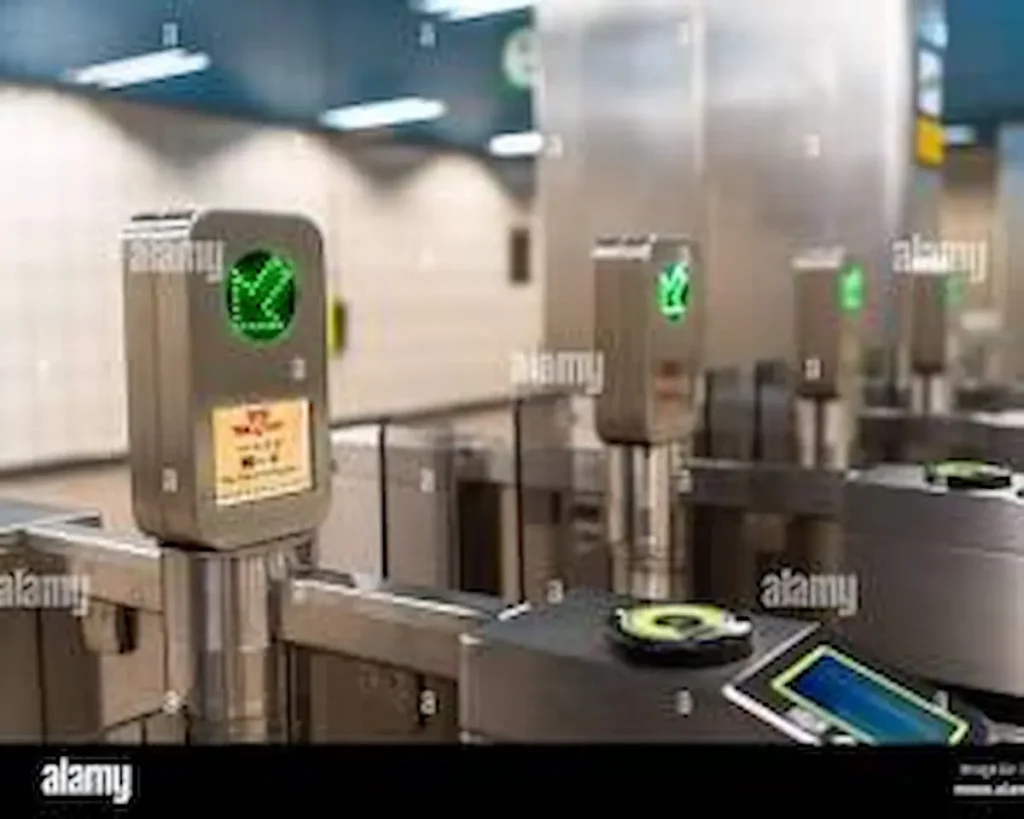
Walk to the fare gates and hold your Nol card flat against the reader on the right-hand side of the gate. Wait for the green light and the beep, then push through. If the light stays red, your balance is too low or the card isn’t registered; top up at the machine behind you. The gate deducts the minimum fare when you tap in, and the final amount is calculated when you tap out.
Step 3, Find the Correct Platform, Check overhead signs for destination direction (Creek southbound / Etisalat northbound) and verify you are on the Green Line platform, not the Red Line.
After the gates, follow the overhead signs. Green Line platforms are marked with a green line icon and the destination name: Creek for southbound trains toward the creek and old Dubai, Etisalat for northbound trains toward the park-and-ride and Sharjah side. At Union and BurJuman, the Red Line platforms are on a different level, so double-check the sign before you commit to an escalator.
Step 4, Board the Correct Cabin, Explain cabin types (standard, women and children, Gold Class) and the Expert Tip on cabin rules and fines.
Each train has three cabin types. Standard cabins are open to everyone. The women and children cabin is marked with pink signage and is reserved for women and children under a certain age. Men who enter it risk a fine. Gold Class cabins have a separate fare and are marked with gold signage. You need a Gold Class Nol card to sit there. Board the cabin that matches your card and your group.
Expert Tip: Board the correct cabin: Gold Class and the women and children cabin have separate rules, and fines apply for sitting in the wrong one.
Step 5, Transfer at Union or BurJuman (If Needed), Brief recap cross-referencing the Interchange section; key reminder not to tap out during transfers.
If you need to switch to the Red Line, do it at Union or BurJuman. Stay inside the paid area; don’t tap out at the interchange. Follow the signs for the other line, and your fare will be calculated as one continuous journey. The full transfer walkthrough is in the Interchange section.
Step 6, Tap Out at Your Destination, Walkthrough of exiting, following exit signs, tapping out, and the note that forgetting to tap out charges the maximum fare. Plus the E-E-A-T Consideration on first-hand observations.
When you arrive, follow the exit signs to the fare gates and tap your Nol card on the reader again. The gate opens and the final fare is deducted. If you forget to tap out, the system charges the maximum fare for the zones you entered. Always tap out even if the gate is open.
Now that you can ride it, here is what is actually worth getting off for: station by station.
Key Attractions and Landmarks by Station
The walkthrough got you on the train. This section tells you where to get off and why. Every station below pairs a landmark with walking time and the best exit, so you step off already oriented.
Station Spotlight: What to See and Do at Each Stop
e& (Etisalat) Station
Al Qusais, near the Sharjah border. A commuter station first, a tourist stop almost never. What it has is the line’s only free park-and-ride: around 2,300 spaces, open to anyone who taps in on the metro.
Product Recommendation: Use the free park-and-ride at Etisalat station if you are driving from Sharjah or outer Al Qusais to avoid city-centre parking costs.
Al Nahda Station
Sharjah border, dense residential blocks, budget dining and supermarkets within a short walk. One of the busiest stations during rush hour. The platform fills fast when the morning trains arrive.
Stadium Station
Near Al Qusais sports facilities and Dubai Police Stadium. Mostly a residential stop, but it matters if you are heading to a match or an event.
Expert Tip: Avoid weekday morning and evening rush hours when Deira and Bur Dubai stations, especially Union and BurJuman, are most crowded.
Union Station (Interchange)
Central Deira. The primary Red Line interchange, so if you are heading to the airport or southern Dubai, you change here. Deira City Centre is a short walk, and the traditional markets of Deira start just beyond it.
Baniyas Square Station
Deira, in the Baniyas Square and Naif district. Naif Road shopping, electronics markets, wholesale traders. This is where Dubai’s small retailers stock up, and the crowds reflect it.
Al Ras Station
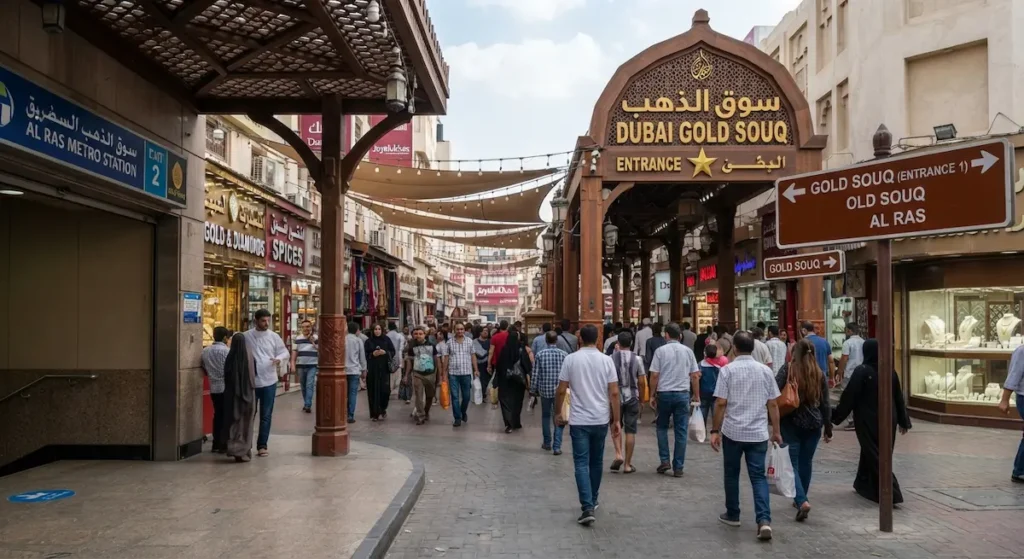
Deira heritage district. Gold Souq and Spice Souq are the draw here. Take Exit 2 for the Gold Souq, roughly a 5 to 10 minute walk, about 730 metres.
Most riders waste their first ten minutes at Al Ras by taking the wrong exit. I see it from the platform side of the gates, forty trips a month through Deira, and the pattern never changes: tourists follow the crowd out Exit 1, then double back when they realize the Gold Souq is the other way. Exit 2 puts you on the right side of the road for the 730-metre walk, roughly eight minutes at a tourist pace. That is the difference between a confident start and a confused one.
Expert Tip: Pair the Green Line with a short walk or abra ride at Al Ghubaiba or Al Ras to reach Dubai Creek and the heritage district.
Al Ghubaiba Station
Bur Dubai, near the Creek. Al Ghubaiba bus station, the abra station, and Bur Dubai Souq are all within a short walk. Use this station if you want the Creek crossing without the Gold Souq crowds.
Expert Tip: At Al Ghubaiba or Al Ras, the abra is the cheapest scenic crossing of Dubai Creek and pairs naturally with the metro for a car-free loop.
BurJuman Station (Interchange)
Bur Dubai commercial district. BurJuman mall is directly connected to the station, so you can step from the paid area into the mall without touching street level. The textile souq is reachable via the Meena Bazaar exit. This is the other Red Line interchange, the one to use for Business Bay or Dubai Mall.
Al Fahidi Station
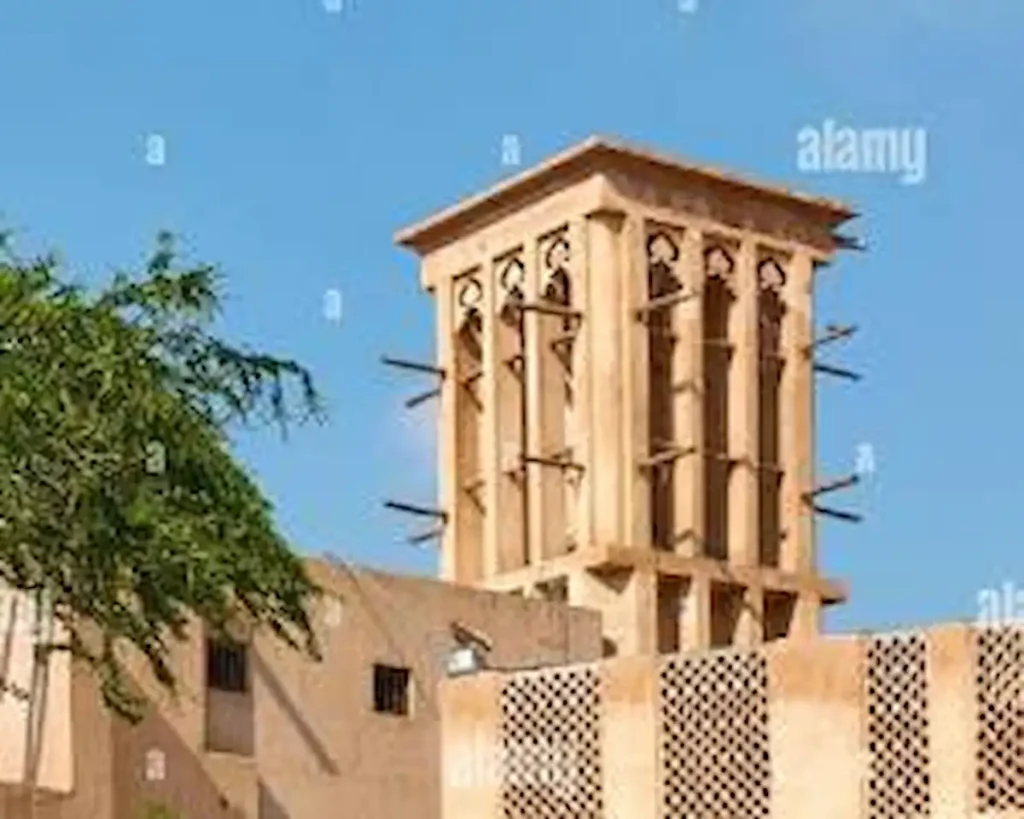
Bur Dubai historic district. Al Fahidi historical neighbourhood, Dubai Museum, and the galleries are about a 5 to 10 minute stroll from the station. This is the heart of old Dubai. The walk from the platform to the wind-tower houses is part of the experience.
Oud Metha Station
Oud Metha. Healthcare facilities, cultural centres, and Lamcy Plaza. The mall’s status has shifted over the years, so check before you plan a shopping stop here.
Dubai Healthcare City Station
Dubai Healthcare City. Medical facilities, clinics, hospitals. This station serves patients and medical professionals. The platform crowds thin out quickly once the morning appointments are done.
Creek Station
Dubai Creek Harbour area. A developing waterfront, and the future Blue Line interchange. The first Blue Line branch starts here, running through Dubai Festival City, Dubai Creek Harbour, and International City.
Expert Tip: Keep an eye on the Blue Line opening in 2029, as Creek station will become a major interchange and may change journey patterns.
Building a One-Day Green Line Sightseeing Itinerary
Start at Al Fahidi in the morning, when the historic district is quiet and the galleries are opening. Walk the lanes, then take the abra from Al Ghubaiba across the Creek to Al Ras for the Gold Souq and Spice Souq at midday.
Afternoon, ride one stop to BurJuman for the mall and the textile souq via Meena Bazaar. Late afternoon, walk back toward Al Ghubaiba for the Creek at sunset.
The Green Line is the right line for old Dubai, but sometimes the Red Line is the right answer. Here is the comparison.
Green Line vs Red Line: Which Should You Take?
The station spotlight showed what the Green Line offers stop by stop. Now the simpler question: should you be on it at all, or is the Red Line the better fit for where you are going?
Comparison Table
| Feature | Green Line | Red Line |
|---|---|---|
| Route | e& (Etisalat) to Creek, roughly 22.5 km | Runs along Sheikh Zayed Road through central Dubai toward Expo City |
| Areas served | Old Dubai: Deira, Bur Dubai, Al Fahidi, Gold Souq, Dubai Creek | Modern Dubai: Downtown, Marina, JBR, Mall of the Emirates, DXB airport, Expo City |
| Tourist value | Highest for heritage and culture: souqs, creek crossings, historic districts | Highest for landmarks and leisure: Burj Khalifa, beaches, large malls |
| Interchanges | Union and BurJuman (both connect to Red Line) | Union and BurJuman (both connect to Green Line) |
| Typical end-to-end journey time | About 40–45 minutes | Longer; varies by direction and extension |
| Best for | Old Dubai sightseeing, Deira and Bur Dubai hotels, Sharjah-border commuters | Airport access, Sheikh Zayed Road hotels, modern attractions |
When to Choose the Green Line
Choose the Green Line when you are heading to:
- Gold Souq or Spice Souq
- Al Fahidi Historical District and Dubai Museum
- Dubai Creek and the abra crossing
- Hotels in Deira or Bur Dubai
- Commuting from Al Nahda or Al Qusais toward the city center
- Budget sightseeing through old Dubai’s core
When to Choose the Red Line
Choose the Red Line when your destination is:
- Burj Khalifa or Dubai Mall
- Dubai Marina or JBR
- Mall of the Emirates
- Dubai International Airport (DXB)
- Expo City
- Any hotel along Sheikh Zayed Road
Combining Both Lines
Both lines meet at Union and BurJuman, and transfers between them are free within the paid area. You do not tap out and back in. Follow the signs to the other platform and board.
So should you always transfer to the shortest possible route? Not necessarily. The Green Line covers its 20 stations in about 40–45 minutes end to end, and I have found that a transfer at BurJuman during evening rush can add ten minutes of standing on the platform alone. Sometimes staying on one line a stop or two past your ideal interchange and walking the rest beats switching. The official advice is to pick by destination. My experience says also factor in the time of day.
Whichever line you choose, these are the mistakes and crowding patterns to plan around.
Travel Tips and Common Mistakes
You know which line to take; these tips keep the ride smooth and the fines away.
Rush Hour and Crowding
Expert Tip: Avoid weekday rush hours, roughly 7:00 to 9:30 AM and 5:00 to 8:00 PM, when Union, BurJuman, and Al Nahda are most crowded.
- Peak times: roughly 7:00 to 9:30 AM and 5:00 to 8:00 PM on weekdays.
- Al Nahda, Union, and BurJuman see the heaviest crowds.
- The Green Line is generally less crowded than the Red Line, so seats are easier to find even at peak.
Off-peak, the Green Line is relaxed. Mid-morning and early afternoon rides feel almost private.
Last Train Planning
Expert Tip: Check last-train times in S’hail before a late trip. Friday runs later and Sunday starts at 8:00 AM.
- Arrive 5–10 minutes early; gates close before the train departs.
- Check S’hail for live last-train times.
- Have a backup plan: know the nearest taxi stand or bus stop.
Cabin Rules and Fines
Expert Tip: Board the correct cabin: Gold Class and the women-and-children cabin have separate rules, and fines apply for entering the wrong one.
- Gold Class requires a Gold Nol card and costs more.
- The women-and-children cabin is marked and has specific hours.
- Fines apply for entering the wrong cabin.
Feeder Buses and Last-Mile Connectivity
Product Recommendation: Use feeder buses from Green Line station entrances to reach surrounding neighborhoods. Check the RTA map or S’hail app for route numbers.
- Feeder buses depart from station entrances.
- They accept Nol cards, so no separate ticket needed.
Park-and-Ride at Etisalat
Product Recommendation: Park-and-ride at Etisalat station is free for metro passengers and has around 2,300 spaces. Use it if driving from Sharjah or outer Al Qusais.
Expert Tip: If you’re driving from Sharjah or outer Al Qusais, park at Etisalat and ride in. It’s free and avoids city-center parking.
2,300 free spaces at Etisalat is the number that ended my city parking bills. I drive from Sharjah, park free, and ride in.
Using the S’hail App for Real-Time Planning
Product Recommendation: Use the RTA S’hail app for real-time train times, door-to-door route planning, and fare estimates instead of static maps.
Expert Tip: Open S’hail before you leave. Live train times and service alerts save you from waiting on the platform.
Other Practical Tips
Product Recommendation: Download or screenshot the official RTA metro map for offline reference, especially if you’re a tourist without data roaming.
Product Recommendation: Use the RTA fare calculator and route planner alongside S’hail to compare fare options before you travel.
- Keep your Nol card accessible before you reach the gate.
- No eating or drinking in the paid area or on trains.
- Stand behind the yellow line on the platform.
- Let passengers exit before you board.
The network is about to change. The Blue and Gold Lines will affect Green Line riders.
Future Extensions and the Blue Line Connection
The Blue Line opens in 2029 and connects at Creek station. That turns the current Green Line terminus into a two-line interchange. The first branch runs from Creek through Dubai Festival City, Dubai Creek Harbour, and International City. For readers, that means direct rail access to areas that currently require a bus or taxi from Green Line stations.
Expert Tip: If you’re planning a 2029 trip, watch for the Blue Line opening at Creek station. It turns the current terminus into a two-line interchange and adds direct access to Dubai Festival City and Creek Harbour.
- Creek station stops being a dead end and becomes a transfer point.
- Dubai Festival City and Creek Harbour get their first rail link.
- International City commuters gain a direct route to the Green Line.
The Approved Gold Line
The Gold Line was approved in April 2026. Route and opening details are still limited, and this guide will be updated as they emerge.
Before you go, here are the questions readers ask most, answered directly.
Conclusion
You have the full picture. Here is the version to keep on your phone.
Quick Reference Summary
- 20 stations from e& (Etisalat) to Creek
- About 40 to 45 minutes end to end
- Fare zones 5 and 6
- Interchanges at Union and BurJuman
- First train 5:00 AM (8:00 AM Sundays)
- Friday runs one hour later in the evening
- Nol card required to tap in and tap out
- Blue Line will connect at Creek in 2029
Final Practical Advice
Download S’hail, top up your Nol card, and use the station spotlight to plan your exit before you arrive. Standing at Union at 7:55 on a Sunday, I watched a family sprint for the doors that wouldn’t open until 8:00. That’s the kind of mistake the guide prevents.
Last updated: August 21, 2026. We’ll keep this guide current against RTA sources.